30 Quotes That Encourage Open Conversations About Emotions
We’ve all been there. Someone asks how we’re doing, and we say “fine” even when we’re not. In American culture, many of us learned early on to keep our feelings private. We bottle up anxiety, push down anger, and hide our sadness. But this emotional suppression comes at a cost.
Open conversations about emotions can feel uncomfortable at first. We worry about being too much, too sensitive, or burdening others. Yet when we find the courage to talk about what we’re truly feeling, something shifts. Connections deepen. Healing begins. We realize we’re not alone in our struggles. Quotes That Encourage Open Conversations About Emotions
Sometimes we need a gentle push to start these conversations. That’s where quotes come in. The right words at the right time can open doors we thought were locked. They give us permission to be honest about our emotional experience. If you want to read Mental Health Quotes then visit this site.
This collection of 30 quotes is designed to help you begin meaningful conversations about emotions with the people in your life. Each one offers a different entry point into emotional awareness and honest dialogue.
Why Open Conversations About Emotions Matter
For generations, many Americans were taught to “tough it out” or “keep a stiff upper lip.” Emotional expression was seen as weakness. Men especially learned that showing feelings was unacceptable. Women were told they were “too emotional.” These messages created a culture of silence around our inner lives.
But psychology and neuroscience now show us what happens when we suppress our emotions. The emotional pain doesn’t disappear. It goes underground. It shows up as physical tension, relationship problems, and mental health struggles. Emotional regulation doesn’t mean shutting down. It means learning to be with our feelings in healthy ways.
Open conversations about emotions create connection. When you share what you’re truly experiencing, you give others permission to do the same. This builds trust and empathy. It reminds us that everyone struggles with difficult emotions sometimes.
Talking about our feelings also helps us process them. Research shows that naming an emotion reduces its intensity. When we put emotional experience into words, we create space to breathe. We move from being overwhelmed to having emotional awareness. This is very different from venting or lashing out, which often makes things worse.
The goal isn’t to analyze every feeling or turn every conversation heavy. It’s simply to create room for honesty. To say “I’m struggling” when you are. To ask “How are you really doing?” and mean it. These small acts of emotional honesty can transform relationships. If you want to read Quotes That Help Break Mental Health Stigma then visit this site.
30 Quotes to Open the Door to Emotional Conversations
Quotes About the Nature of Emotions
Understanding what emotions actually are helps us talk about them more easily. These quotes remind us that feelings are natural, temporary, and universal.
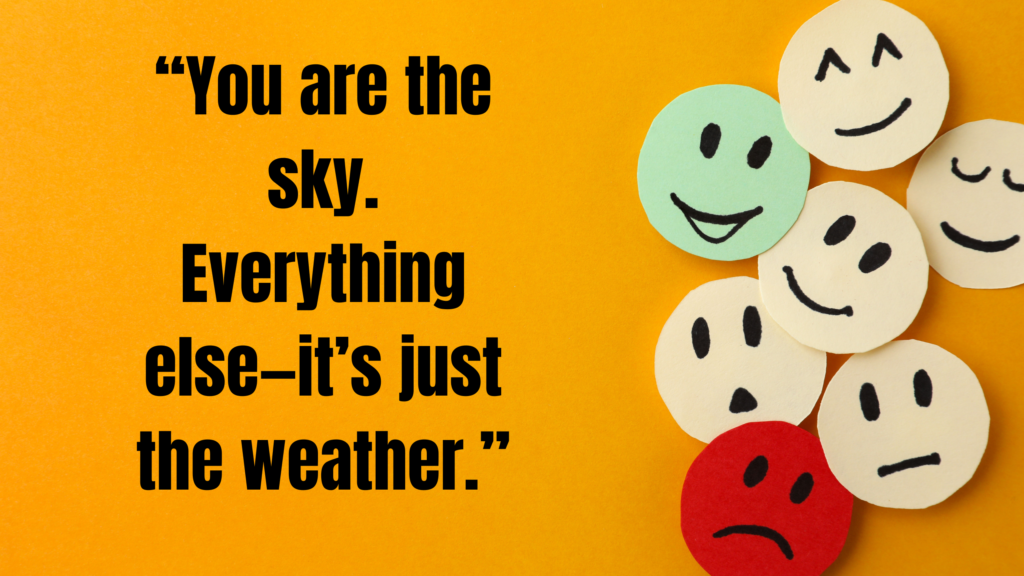
“You are the sky. Everything else—it’s just the weather.”
This simple metaphor from Pema Chödrön changes how we see ourselves. Your core self is stable, like the sky. Emotions come and go like clouds and storms. They’re part of your experience, not your identity. Share this quote when someone is struggling to separate themselves from their feelings.
“Feelings come and go like clouds in a windy sky. Conscious breathing is my anchor.”
Thich Nhat Hanh reminds us of impermanence. No emotional state lasts forever, even when it feels overwhelming. Conscious breathing connects us to the present moment and provides grounding when emotions feel stormy.
“As you come to know your emotions better, you realize they’re not one-dimensional, fixed states of mind that go on for so many hours, days, or years. They come and go, rise and fade, just like our breath, which lasts only a few seconds.”
This quote from Dzogchen Rinpoche Ponlop introduces emotional observation. When we actually pay attention, we notice that feelings shift constantly. Anxiety rises and falls. Anger peaks and subsides. Nothing stays the same.
“Life’s energy is never static. It is as shifting, fluid, changing as the weather. Sometimes we like how we’re feeling, sometimes we don’t. Then we like it again. Then we don’t. Happy and sad, comfortable and uncomfortable alternate continually.”
Pema Chödrön normalizes the constant flow of energy in our emotional experience. This quote helps start conversations about how normal it is to feel different things throughout the day. It removes the pressure to always be positive.
“The life span of any particular emotion is only one and a half minutes. After that we have to revive the emotion and get it going again.”
Based on research from Jill Bolte Taylor’s work in neuroscience, this quote reveals something powerful about emotional lifespan. Most emotions naturally fade quickly. It’s our thought patterns and internal dialogue that keep them alive. This can open conversations about feeding emotions with thoughts.
“All emotions—whether we view them as good or bad—have a single essence that’s beyond good or bad.”
This quote challenges the judgment we place on feelings. There are no “bad” emotions. Anger, fear, sadness—they all contain information and energy. When we stop judging our emotional states, we can examine them with curiosity. If you want to read Quotes That Normalize Mental Struggles then visit this site.
“Feelings are something you have; not something you are.”
Shannon L. Alder draws a clear line between experience and identity. You’re not an angry person. You’re a person experiencing anger. This distinction creates space for emotional awareness without shame.
Quotes About Vulnerability and Sharing
These quotes address the courage it takes to have open conversations about emotions. They remind us that vulnerability is strength, not weakness.
“Our feelings are not there to be cast out or conquered. They’re there to be engaged and expressed with imagination and intelligence.”
T.K. Coleman reframes the purpose of emotions. They’re not problems to solve or enemies to defeat. They’re part of our creative energy and deserve expression. This quote invites conversations about healthy emotional expression.
“We cannot selectively numb emotions. When we numb the painful emotions, we also numb the positive emotions.”
Brené Brown’s research shows that emotional suppression has consequences. When we shut down fear and sadness, we also lose access to joy and connection. This quote can help explain why emotional honesty matters.
“If someone comes along and shoots an arrow into your heart, it’s fruitless to stand there and yell at the person. It would be much better to turn your attention to the fact that there’s an arrow in your heart.”
Pema Chödrön uses a powerful image to explain where to focus when we’re hurt. Instead of blaming others, we need to acknowledge our emotional pain. This quote helps shift conversations from blame to healing.
“When you take time to feel your anger, everything naturally slows down. You turn your attention inward. Right away you notice there’s space to breathe, so you’re not overwhelmed.”
This quote from Dzogchen Rinpoche Ponlop describes what happens with acceptance. When we stop running from difficult emotions, we discover we can handle them. Slowing down creates room for emotional awareness.
“Emotion can be the enemy, if you give into your emotion, you lose yourself. You must be at one with your emotions, because the body always follows the mind.”
Bruce Lee speaks to emotional mastery. The goal isn’t to suppress feelings or be controlled by them. It’s to be “at one” with them—aware, present, and choosing our response rather than just reacting. This quote can open conversations about the mind-body connection.
“A belief is only a thought you continue to think. A belief is nothing more than a chronic pattern of thought, and you have the ability to begin a new pattern, to tell a new story, to achieve a different vibration, to change your point of attraction.”
Abraham Hicks reminds us that thought patterns are changeable. Our belief systems about emotions—that they’re dangerous, that we should hide them—are just habitual thinking. This quote encourages conversations about reframing old stories.
“Your emotions are the sparks, the fizz, that inspire you to transform your struggles and frustrations into beautiful music and poetry.”
Dzogchen Rinpoche Ponlop celebrates emotions as fuel for creativity and transformation. Our feelings aren’t obstacles. They’re sources of inspiration. This shifts the conversation from problem to possibility.
Quotes About Listening and Holding Space
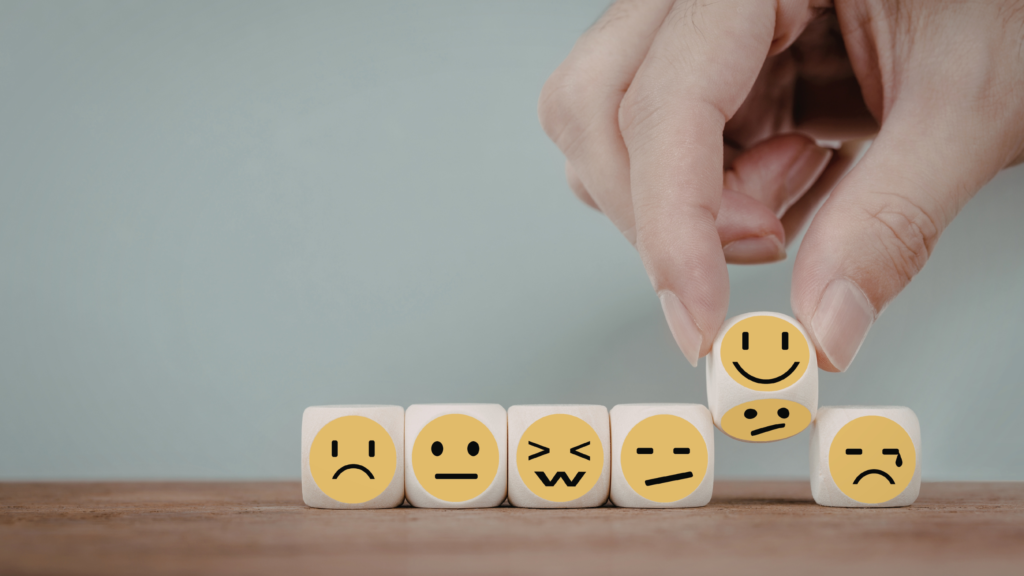
Open conversations about emotions require good listeners. These quotes help us understand how to receive someone else’s emotional expression with compassion.
“When we don’t want to go near the unpleasantness of what we’re feeling, we strike out at others—all because we want to avoid our own discomfort.”
Pema Chödrön explains a common behavioral pattern. When we can’t sit with our own emotional pain, we hurt others. This quote can help conversations about reactivity versus response. It builds empathy for why people sometimes lash out.
“How we relate to this dynamic flow of energy is important. We can learn to relax with it, recognizing it as our basic ground, as a natural part of life; or the feeling of uncertainty, of nothing to hold on to, can cause us to panic.”
This quote addresses uncertainty and panic—common responses when emotions feel unstable. It reminds us we have a choice in how we relate to our emotional experience. We can practice acceptance or resist and suffer more.
“In this space, you discover a gap between yourself and the anger you’re feeling. That little bit of distance shows you that you’re separate from your emotions. You’re not just that mad agitation. You’re also the one who’s observing it.”
Dzogchen Rinpoche Ponlop introduces the concept of the inner observer. There’s a part of us that can watch our emotions without being swept away. This mindful gap is where emotional intelligence grows. Share this in conversations about self-awareness.
“We panic, we get hooked, and then our habits take over and we think and speak and act in a very predictable way.”
Pema Chödrön describes the chain reaction that happens without awareness. An emotional trigger leads to panic, which activates old emotional habits. Understanding this pattern helps us have compassion for ourselves and others.
“With a little practice, you can actually watch this happening.”
This simple statement offers hope. Emotional observation is a skill we can develop. Mindfulness practice helps us notice our emotional patterns as they unfold. This quote encourages conversations about building emotional awareness gradually.
“A person will be just about as happy as they make up their minds to be.”
Abraham Lincoln suggests we have more agency over our emotional states than we think. While we can’t control what we feel, we can influence our perception and where we place our attention. This can spark conversations about emotional control versus emotional suppression.
“Instead of seeing only opposition or contradiction, you see an unbiased wholeness. You recognize that all of your emotions spring from the same source: the spontaneous, ever-present creative energy of your own mind, your own heart.”
This quote invites us to see emotions as expressions of our creative energy rather than contradictions to manage. It encourages non-duality—the idea that seemingly opposite feelings are part of one wholeness.
Quotes About Emotional Growth and Healing
These final quotes focus on transformation and the journey toward emotional freedom. They remind us that working with our emotions leads to growth and well-being.
“Get comfortable with, begin to relax with, and lean into whatever the experience may be.”
Pema Chödrön’s advice seems counterintuitive. We want to run from emotional pain. But leaning in—getting curious about our feelings instead of afraid—creates healing. This quote can open conversations about acceptance as a path forward.
“At first, acknowledging, identifying and leaning into an emotion can be scary. Many of us think of emotions as wrong or bad parts of us that we want to protect ourselves from.”
This acknowledgment normalizes the fear many feel when starting to work with emotions honestly. It validates that emotional awareness takes courage and reminds us our resistance is understandable.
“If you can learn to refrain from lashing out or feeding an emotion with thoughts, painful emotions can begin to lose grip over you.”
This quote outlines a simple but powerful practice: emotional restraint (not acting out) and not feeding emotions with thoughts (not creating stories). These two skills weaken the hold difficult feelings have on us.
“We automatically revive emotion by feeding it with an internal conversation about how another person is the source of our discomfort.”
Pema Chödrön identifies a key coping mechanism that keeps us stuck. We blame others to avoid our own discomfort. This quote can help conversations about taking responsibility for our emotional experience.
“This allows our natural warmth to be so obscured that people like you and me, who have the capacity for empathy and understanding, get so clouded that we can harm each other.”
This compassionate statement reminds us that everyone has warmth and empathy inside. Emotional habits cloud these qualities, but they’re still there. This can open conversations about self-compassion and forgiveness.
“If you and your anger were exactly the same, how could you be watching it?”
This question invites deep reflection on consciousness and self-concept. The fact that we can observe our emotions proves we’re larger than any single feeling. This philosophical insight supports detachment without disconnection.
“You notice there’s space to breathe.”
Creating space is essential for emotional regulation. When we pause, even briefly, we interrupt automatic reactivity. This mindful pause gives us options we didn’t have before.
“You must be at one with your emotions.”
Being “at one” doesn’t mean being controlled by feelings. It means integration. We acknowledge what we feel without resistance or identification. This is emotional intelligence in action.
“They come and go, rise and fade.”
This reminder of impermanence appears throughout wisdom traditions. Emotions are temporary visitors. They don’t define us. They pass through when we stop clinging to them or pushing them away.
“Conscious breathing is my anchor.”
Thich Nhat Hanh offers a practical tool. When emotions feel overwhelming, return to your breath. This simple act of grounding connects you to the present moment and calms your nervous system.
How to Use These Quotes in Your Conversations About Emotions
Now that you have these 30 quotes, how do you actually use them to start open conversations about emotions?
Share them as conversation starters. Send a quote to a friend or family member with a simple message: “This made me think of our conversation” or “I found this helpful today.” It opens the door without pressure.
Use them in journaling. Before talking to others about feelings, explore them yourself. Write a quote at the top of a journal page and reflect on what it brings up. This builds self-awareness first.
Text them when words feel hard. Sometimes we know we need to reach out but don’t know what to say. A quote can communicate “I’m struggling” or “I’m thinking of you” when our own words won’t come.
Display them as reminders. Put quotes where you’ll see them—on your phone, your mirror, your desk. They serve as gentle nudges to stay emotionally open throughout the day.
In relationships, quotes can help you express what you’re experiencing without sounding like you’re criticizing. Instead of “You never listen to my feelings,” you might share: “I read this quote about how emotions need to be expressed with imagination and intelligence. It made me want to talk about what I’ve been feeling.”
With children, quotes introduce emotional concepts in simple ways. “You are the sky, everything else is just weather” helps kids understand their feelings will change.
At work, certain quotes about emotional intelligence can open professional conversations about stress, burnout, or team dynamics without oversharing.
The key is to use quotes as bridges, not walls. They’re conversation starters, not conversation enders. Share one, then listen. Ask what it brings up for the other person. Be willing to go deeper.
Conclusion
Open conversations about emotions don’t come naturally to everyone, especially in a culture that often values stoicism over emotional expression. But like any skill, it gets easier with practice.
Your feelings matter. Your emotional experience deserves acknowledgment. And you deserve connections where you can be fully honest about what’s happening inside.
Today, choose one person to have a more honest conversation with. It might feel awkward at first. That’s okay. Transformation often begins with discomfort. Take the mindful pause. Create the space to breathe. And trust that emotional openness, like anything worthwhile, gets easier the more we practice it.